LifeScienceHistory.com - Check us out on Instagram
Take Your Next Career Step with Lundback
Transportation
Industry
Snapshot | Economy/Cost of
Living
Education
| Recreation & Entertainment
| Geography & Climate
History | Suggested Reading List
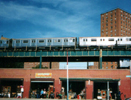 TranspÿÿûÏ is a major key to New York's success. As an international travel hub and vital port with access to transportation routes all over the country, New York is a gateway to world trade.
New York's transportation system was built on the need to move manufactured goods, first using waterways and later using freight lines. The Erie Canal, completed in 1825, connected New York City to Lake Erie and Buffalo via the Mohawk and Hudson Rivers. The main railway system followed the canal and later the limited-access Thomas E. Dewey Thruway followed basically the same route, which was also the main route used by the original settlers of New York. In 1918 the New York State Barge Canal System was completed connecting Buffalo to the old Erie Canal and giving New York the largest inland waterway system in the country. The New York Central Railroad was established in the mid-1900s and connected New York City with other major metropolitan areas such as Chicago, Boston, and Montreal. Although passenger travel has declined, the railways and waterways are important handlers of freight, especially petroleum products. Moving freight is essential since the Port of New York/New Jersey is the largest port on the East Coast of North America and handles about one tenth of the nation's imports. The state's highway system also helps to move people and goods around the state.
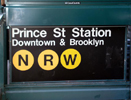
The New York metropolitan area has the most complex commuter system in the country - an extensive tapestry of subways, buses, and rail lines. The New York transit system is nearly 800 miles (1,280 km) long and includes commuter railroads that serve suburbs in Long Island, Connecticut, and New Jersey. Much of the passenger networks are under the control of the Metropolitan Transit Authority (MTA).
The New York-New Jersey metropolitan region's bridges, tunnels and airport terminals are under the control of the Port Authority of New York and New Jersey. Three major airports serve New York City: John F. Kennedy Airport (JFK) in Brooklyn, La Guardia Airport (LGA) in Queens, and Newark Airport (EWR) in Newark, New Jersey. Albany, Buffalo, Syracuse, and Rochester also have airports.
Related Resources:
Back to Destination New York


